Hawksburn to Malvern and Toorak Village

More homes and more opportunities.

Planning for thriving communities

The Train and Tram Zone Activity Centres Program is focused on locating more homes close to train stations and tram lines that have the highest capacity, now and into the future.

Plans for the Hawksburn to Malvern and Toorak Village centres have been finalised and approved by the Minister for Planning, which means planning changes are now in place.

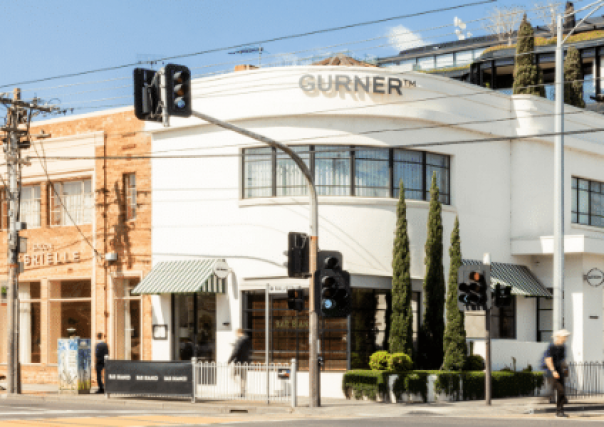
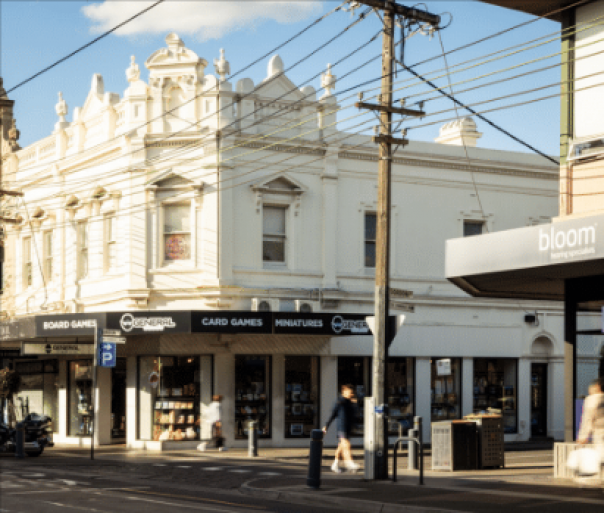
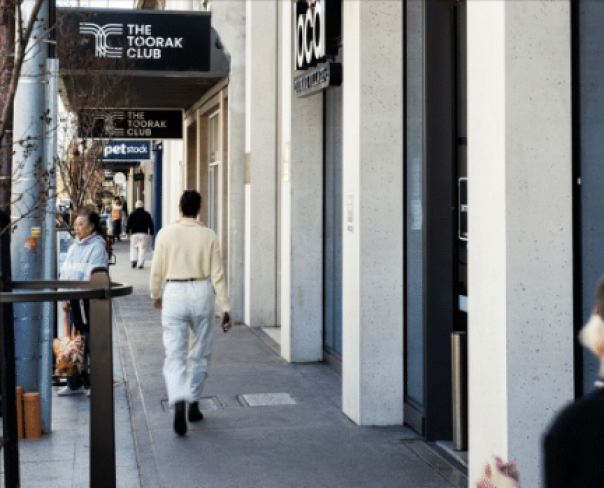
Located along or near the Frankston train line Hawksburn, Toorak, Armadale and Malvern stations and Toorak Village (route 58 tram) are in prime locations that blend natural beauty with a variety of activities and services.

This area of Melbourne is within easy reach of the CBD, known for its leading schools, high-end shops, gourmet restaurants, quality open spaces and easy transport connections.

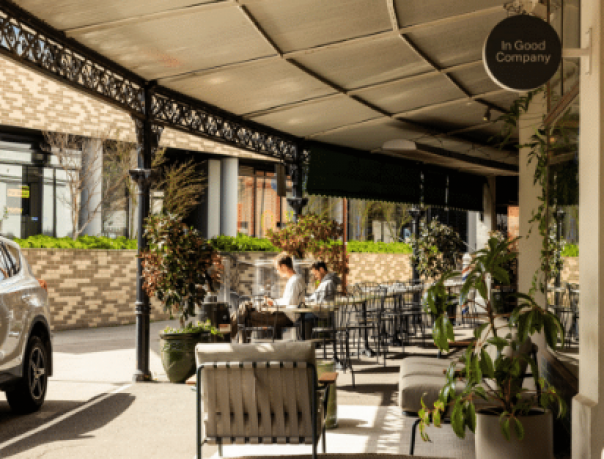
Each centre sits within an already established suburban area, rich in amenity - parks, shops, schools, and healthcare services are all within easy reach. These qualities make the neighbourhoods convenient and highly liveable.
The vision for Hawksburn to Malvern and Toorak Village

Hawksburn, Toorak, Armadale, Malvern and Toorak Village are already great places to live, work and spend time.

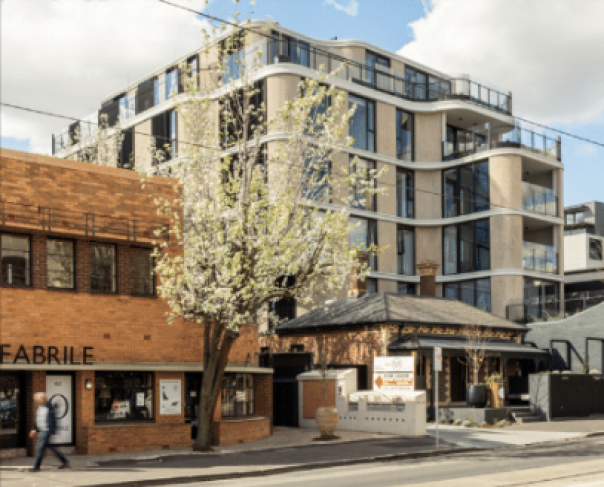
Our vision is to help these places grow in a way that keeps what people love, while providing for more diverse types of homes and making these spaces greener, safer and easier to get around.

With good public transport options, thriving local shops and places for people to meet, these areas will offer more choice in homes close to jobs, schools, parks and cafes, helping more people live locally and enjoy the things that matter day to day.

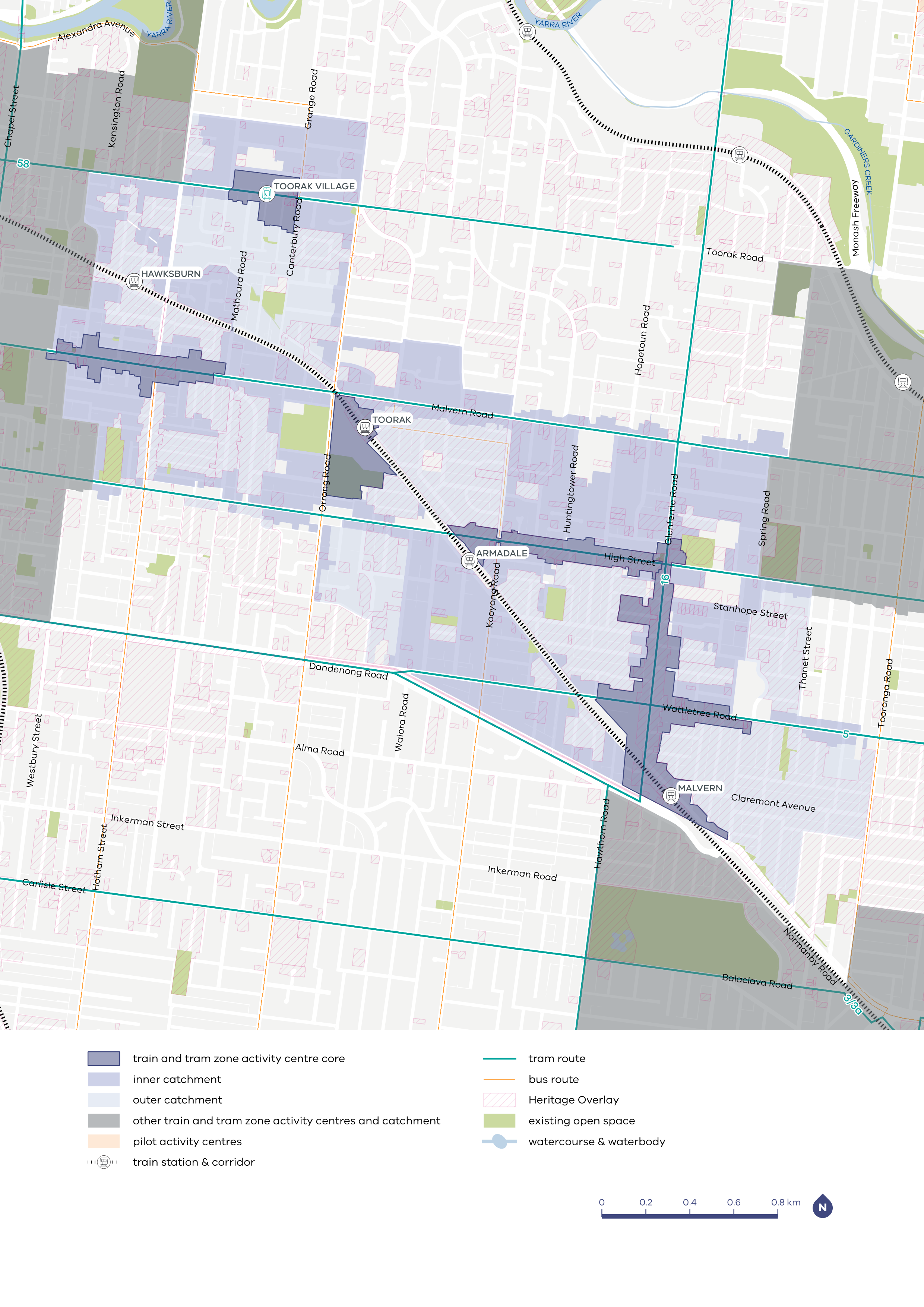
Hawksburn to Malvern and Toorak Village core and catchment map

The map below shows the core and catchment boundaries of the Hawksburn to Malvern and Toorak Village train and tram zone activity centre. It also highlights key transport connections, open spaces and heritage overlays.

Map showing the Hawksburn to Malvern and Toorak Village catchment area

Download the Hawksburn to Malvern and Toorak Village factsheet

View a summary of the proposed building heights, core and catchment boundaries and potential opportunities to improve the Hawksburn to Malvern and Toorak Village train and tram zone activity centres.

Download the factsheet

Download the Hawksburn to Malvern and Toorak Village plan

Learn more about the final building heights, core and catchment boundaries and opportunities to improve the Hawksburn to Malvern and Toorak Village train and tram zone activity centres.

Download the plan

How we planned for Hawksburn to Malvern and Toorak Village

How your feedback helped shape our plans

We heard from the Hawksburn to Malvern and Toorak Village communities through two rounds of consultation and a Community Reference Group (CRG) made up of local community members. Your feedback has helped to shape our planning.

Council and community feedback in the Hawksburn to Malvern and Toorak Village areas focused on adjusting building heights to consider heritage constraints and development opportunities, while refining the catchment extent based on heritage and street access considerations.

Feedback also highlighted the importance of protecting access to sunlight for key pedestrian streets.

In response to feedback, we:

  • have applied lower catchment heights to large heritage precincts and not specified heights on Victoria Heritage Register sites within the activity centre cores
  • have amended core and catchment heights to reflect local conditions and walking distances from train stations and tram stops
  • have adjusted core building heights to ensure solar access is maintained for important streets, such as High Street, Malvern Road, Beatty Avenue, Jackson Street, Glenferrie Road and Toorak Road.

Download the Hawksburn to Malvern and Toorak Village Consultation Summary Report (Phase 2) to learn more about how feedback helped shape the plans.

Traditional Owners

The Hawksburn to Malvern and Toorak Village activity centres are located on the lands of the Wurundjeri Woi-wurrung People and the Bunurong People, and we acknowledge them as Traditional Owners.

We pay our respects to Elders past and present, whose knowledge and wisdom have ensured the continuation of spiritual and cultural practices.