Blackburn to Mitcham

More homes and more opportunities.

Planning for thriving communities

The Train and Tram Zone Activity Centres Program is focused on locating more homes close to train stations and tram lines that have the highest capacity, now and into the future.

Plans for the Blackburn to Mitcham centres have been finalised and approved by the Minister for Planning, which means planning changes are now in place.

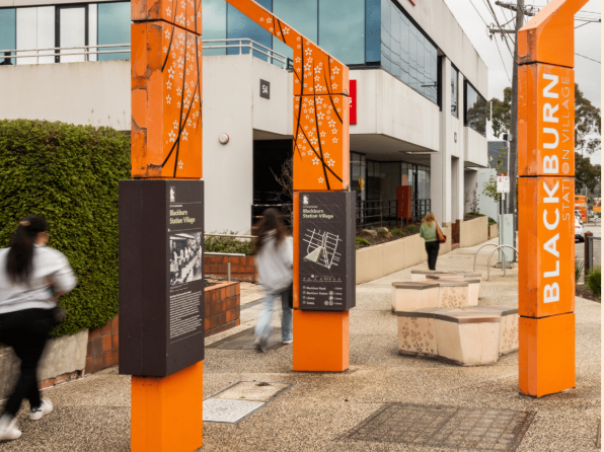
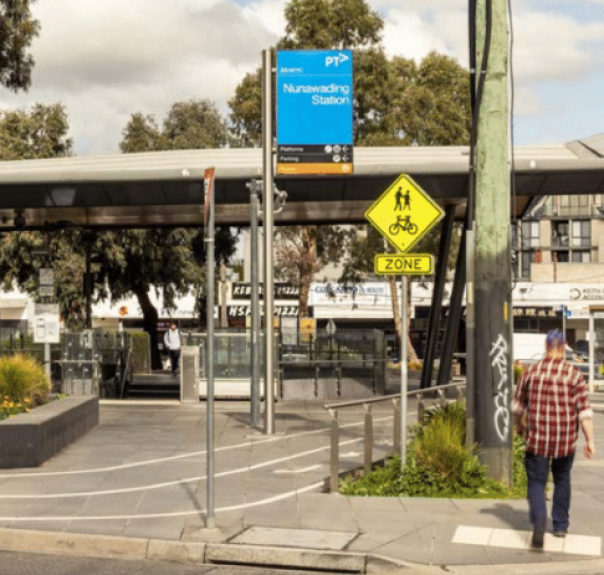
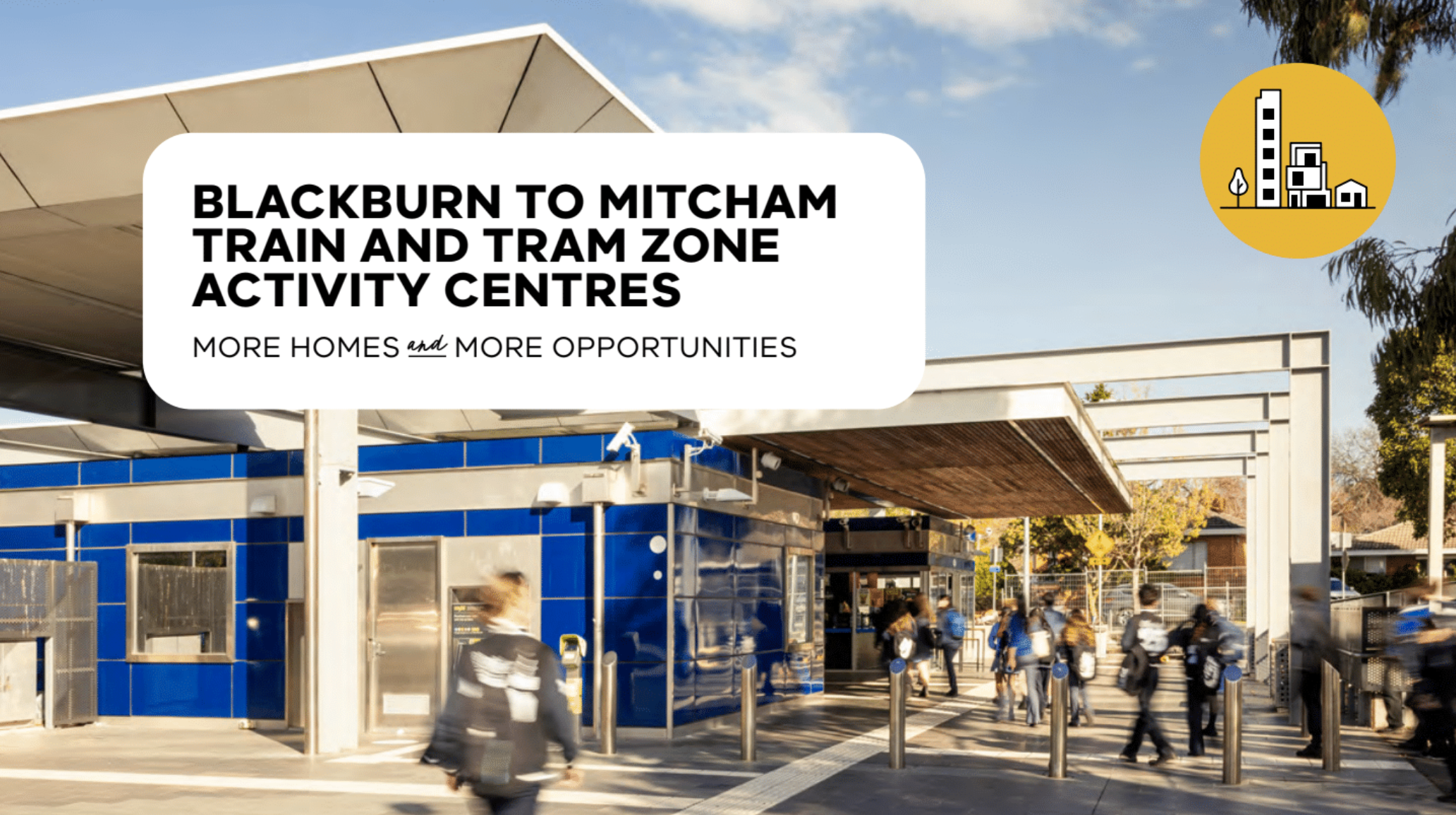
Blackburn, Nunawading and Mitcham stations are on the Belgrave and Lilydale train lines in one of Melbourne’s leafiest pockets, known for their family-friendly environment, strong multicultural communities and access to parks and trails.

These stations connect residents directly to Melbourne’s centre and other key employment and education hubs. Frequent train services that include five-minute peak services and tram and bus connections nearby offer locals a reliable alternative to cars.

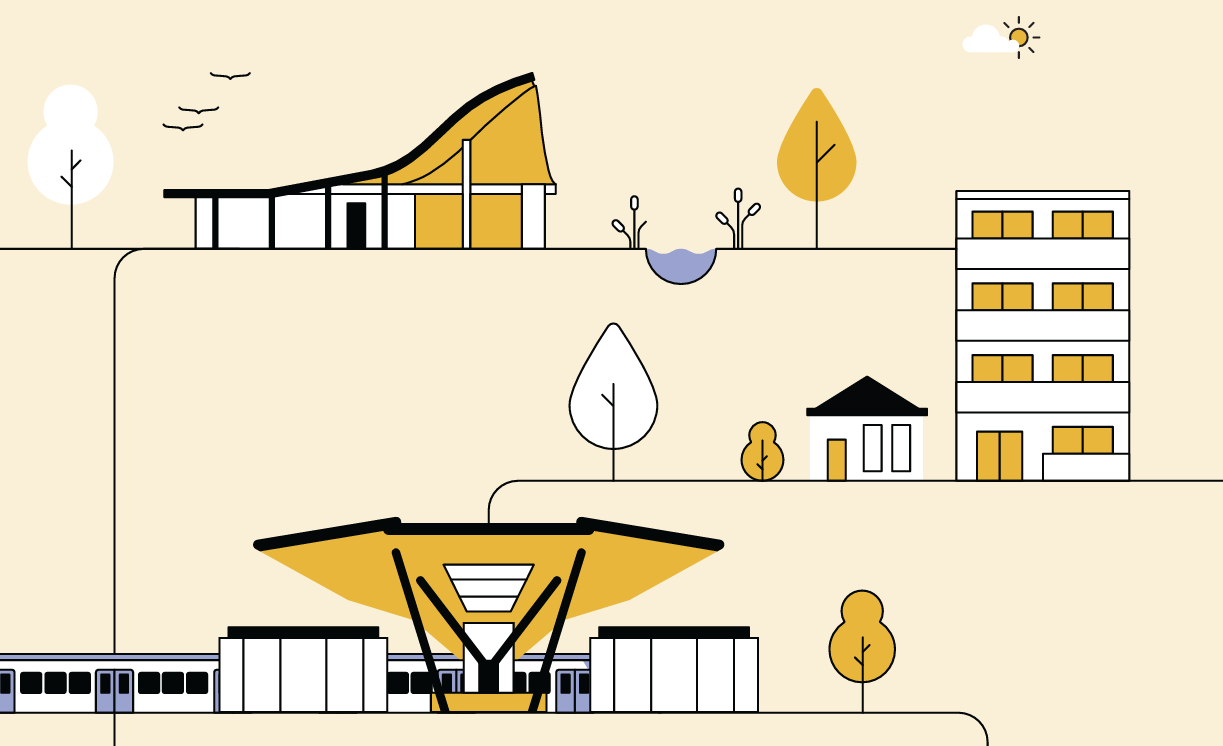
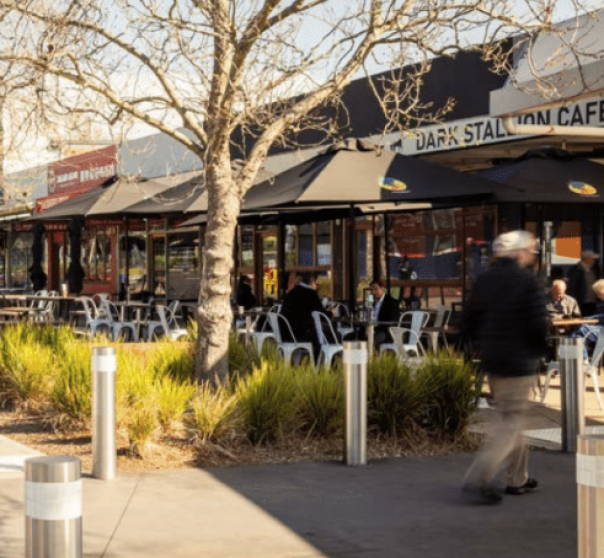
Each train and tram zone activity centre sits within an already established suburban area, rich in amenity - parks, shops, schools, and healthcare services are all within easy reach. These qualities make the neighbourhoods convenient and highly liveable.
The vision for Blackburn to Mitcham

Blackburn, Nunawading and Mitcham activity centres are already great places to live, work and spend time. Our vision is to help these places grow in a way that sustains the features that people love, while providing for more diverse types of homes and making these spaces greener, safer and easier to get around.

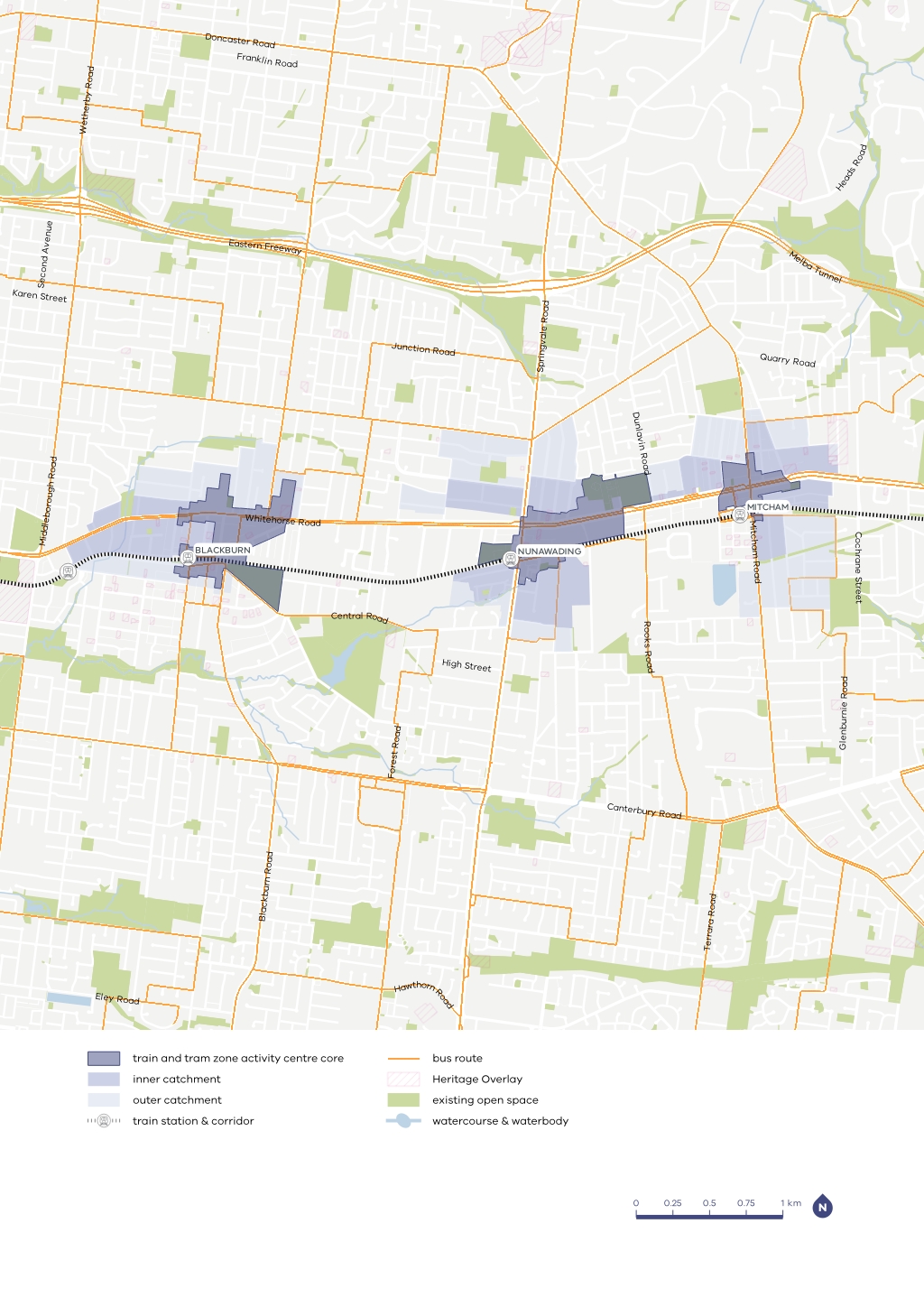
Blackburn to Mitcham core and catchment map

The map below shows the core and catchment boundaries of the Blackburn to Mitcham train and tram zone activity centre. It also highlights key transport connections, open spaces and heritage overlays.

A map showing the catchment for the Blackburn activity centre.

Download the factsheet

View a summary of the the proposed building heights, core and catchment boundaries and potential opportunities to improve the Blackburn to Mitcham train and tram zone activity centres.

Download the factsheet

Download the plan

Learn more about the final building heights, core and catchment boundaries and potential opportunities to improve the Blackburn to Mitcham train and tram zone activity centres.

Download the plan

How we planned for Blackburn to Mitcham

How your feedback helped shape our plans

We heard from the Blackburn, Nunawading and Mitcham communities through two rounds of consultation and a Community Reference Group (CRG) made up of local community members. Your feedback has helped to shape our planning.

Council and community feedback in the Blackburn to Mitcham areas focused on protecting tree canopy, green space and broader biodiversity and wildlife as well as ensuring adequate infrastructure capacity to support growth.

In response to feedback, we:

  • excluded some areas covered by Significant Landscape Overlays from catchment areas around Blackburn and Mitcham, ensuring ongoing protection of these important environments
  • have included planning controls with requirements relating to the retention of sunlight to retention of sunlight and open space
  • have adjusted maximum building heights in the core of the Blackburn and Nunawading activity centres, to ensure important locations such as Morton Park in Blackburn still have good access to sunlight
  • changed some areas of the catchments, to ensure appropriate transitions between the activity centre core, the inner catchment and the outer catchment
  • reduced maximum heights on key sites, including areas along South Parade, Railway Road and Whitehorse Road, as well as near parks and community infrastructure.

Download the Blackburn to Mitcham Consultation Summary Report (Phase 2) to learn more about how feedback helped shape the plans.

Traditional Owners

The Blackburn to Mitcham activity centres are located on the lands of the Wurundjeri Woi-wurrung People, and we acknowledge them as Traditional Owners.

We pay our respects to Elders past and present, whose knowledge and wisdom have ensured the continuation of spiritual and cultural practices.